
Walk into any showroom and ask for a mattress that’s good for support, and the first thing they’ll point you to is usually the firmest one on the floor. It’s a classic Singapore assumption—firm equals strong, strong equals good for your back. But for a pregnant side sleeper, that logic backfires completely. A rigid, unyielding core doesn’t give way where your body needs it to, at the shoulder and hip. Instead of cradling those pressure points, it pushes back against them, and you’ll wake up with a deep ache that no amount of tossing will fix.
Think about the physics of it. When you’re lying on your side, your body isn’t a flat plank. Your shoulder and hip jut out, creating distinct high points that need to sink in a little. A mattress core that’s too firm won’t allow that. It holds your spine in a straight line, sure, but it does so by leaving those bony prominences bearing all your weight. Over the hours, that constant pressure cuts off circulation and stresses the joints. For someone advised to sleep on the left side through pregnancy, that discomfort isn’t just annoying—it can rob you of the rest you desperately need.
The goal isn’t a soft, marshmallow-like feel that lets your whole body sag. What you’re looking for is selective give. The core must be resilient enough to support your lower back and keep your spine aligned from neck to hips, yet it must have enough yield precisely at the shoulder and hip to offload that pressure. It’s a balancing act. A medium-soft to medium firmness core, often paired with thicker contouring layers on top, achieves this. It provides a stable foundation that doesn’t feel like you’re sleeping on the floor.
The only time a genuinely firm core makes sense for a side sleeper is if their comfort layer is exceptionally thick and plush, doing all the pressure-relief work itself. But that’s a specific, often pricier build. For most people, especially with the extra weight and shifting centre of gravity during pregnancy, starting with a core that has some inherent adaptability is far more forgiving. Don’t let the old-school mantra of ‘firm is best’ steer you towards a mattress that fights your body all night.
That feeling of waking up with a stiff back, even after a full night's rest, can be a real puzzle. For a side sleeper, especially one navigating the later stages of pregnancy, the culprit often isn't the pillow or the day's activities—it's the mattress core pushing back the wrong way. A too-firm innerspring or an overly dense foam base simply doesn't give where your body needs it to. Your heavier hips and shoulders can't sink in to find a neutral position, so your spine bends around the resistance, creating a strained C-curve that pulls everything out of line.
Imagine the third trimester in a standard 4-room BTO master bedroom. Space is already at a premium, and your body is carrying significant extra weight, much of it concentrated around the pelvis. A mattress that's fighting you adds a constant, low-grade strain to the existing pelvic pressure and lower back ache. You're not just sleeping poorly; you're waking up with compounded discomfort, the kind that makes getting through the day feel like a marathon. That extra give needed at the shoulders and hips isn't a luxury—it's a physical necessity to prevent that misalignment from becoming a chronic issue.
This is where the core's job gets specific. It's not about being soft all the way through, which would be just as bad. A proper support core for a side sleeper has to be firm enough to stop your torso from sinking into a hammock, but it must work in concert with a softer, thicker comfort layer. That top layer does the contouring, cradling your new curves, while the core provides a stable, level foundation underneath. Get that combination wrong, and the core becomes the problem, not the solution.
The one time a firmer core might still work is if the comfort layer is exceptionally thick and plush, almost like a massive pillow-top that does all the cushioning before you ever reach the base. But that's a rare setup in most off-the-rack mattresses. For the vast majority of pregnant side sleepers, chasing a firm core for "support" is a direct path to morning aches. You need a core engineered to allow for that crucial give at the pressure points, a foundation that accommodates rather than resists. Anything less, and you're setting yourself up for months of restless nights and sore dawns.
A mattress for side sleepers needs quality materials to maintain pressure relief over years. Foam density dictates how long the comfort layer keeps contouring shoulders and hips. In Singapore's humid climate, natural latex or high-density memory foam resist sagging better than low-grade polyfoam. The support core—whether pocketed coils or high-density foam—mustn't soften prematurely.
Testing a mattress in person is crucial for side sleepers to feel the pressure relief. You can assess the shoulder and hip contouring at Megafurniture's Joo Seng or Tampines showrooms, lying in your usual sleep position. Their in-house Somnuz® line includes models designed for side sleeping. This hands-on approach helps you avoid online guesswork and find the right firmness level.
Latex cores in that two to four thousand dollar bracket give you a very specific feel. They push back against your shoulders and hips with a gentle buoyancy, so you don't sink in too deep. This creates a cradle that follows your shape without letting you bottom out, which is crucial for keeping your spine aligned when you're sleeping on your side. It's a live response, not a passive one, and that's the key difference. You won't get that stuck feeling some mattresses give you. For side sleepers, this means pressure relief without the hammock sag.
Memory foam works on a different principle altogether. Instead of pushing back, it absorbs your weight slowly and deliberately. The material softens with your body heat, allowing your heavier points to settle in. That initial sink is what relieves the sharp pressure on a sore shoulder or an aching hip joint. It's a slower, more deliberate correction compared to latex's bounce. Once you're settled, the foam holds you in that position, which can be very comfortable if you don't move much during the night.
Singapore's climate is the real test for any foam core. Standard memory foam, especially the dense types, can trap heat and feel stifling by three in the morning. That's why you absolutely need to look for open-cell construction or gel infusions in our context. These variants create tiny air channels that let heat escape, making a world of difference for night sweats. Latex, being naturally more breathable, often has an edge here. But don't assume all latex is equal—check for those perforations or airflow designs too.
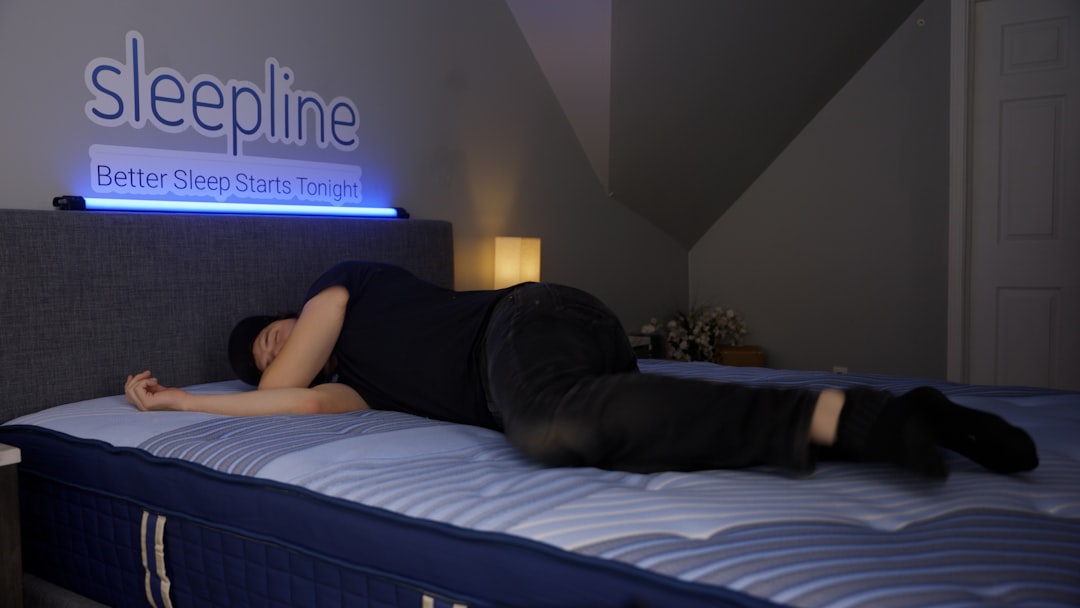
The whole point of this medium-soft correction is to keep your spine neutral. When your hips and shoulders sink appropriately, your backbone shouldn't twist or curve to compensate. A mattress that's too firm forces your shoulder up, creating a kink. One that's too soft lets your whole torso sink, bowing your back. The right core finds that balance where your hips and shoulders are cradled but your waist is still supported. It's a subtle thing you might not notice in a showroom lay-down, but your body will tell you after a full night.
Both materials have their durability stories. Latex tends to hold its springy character for years, resisting permanent indentations where you sleep. Memory foam, especially higher-density varieties, also lasts but can sometimes soften a bit more over time in our constant heat. The trade-off isn't just about years, though—it's about how the feel changes. Latex might stay more consistent in its resilience, while memory foam might become progressively more pliant. For a long-term investment, that's the quiet question to sit with.
That left-side sleeping advice during pregnancy isn’t just old wives’ tale—it’s about blood flow and taking pressure off your organs. But what they rarely tell you is that your mattress core can completely undermine that good intention. A traditional innerspring unit, especially one with firmness zones, is built to resist your body, not accommodate it.
Picture the typical zoned coil system. It’s engineered with firmer coils in the centre third for your lumbar, and softer ones at the head and foot. For a side sleeper, that already creates a weird topography where your shoulders and hips land. Now add a pregnancy bump and the need to stay tilted left. Your body isn’t lying flat and centred anymore; it’s curving, with new pressure points. The mattress’s pre-mapped support zones fight that natural, protective posture, creating hard spots under your ribs or pelvis where you need gentle, even cradle.
The result is you’re battling your own bed. You might feel a dig under your shoulder, forcing you to shift onto your back—the very position you’re trying to avoid. Or you’ll feel uneven support across your torso, which does nothing to aid circulation. That uniform softness a pregnant side sleeper requires? A zoned coil core is literally designed against it. The structure is too rigid, too opinionated about how your body should lie.
There’s one exception, and it’s a specific one. If you find an innerspring that uses a very high count of thin, individually pocketed coils without any zoning, it can sometimes offer the more fluid contouring you need. But that’s a rare bird in the showroom, and honestly, you’re usually better off looking at a different core material altogether for that all-over gentle give. For left-side pregnancy sleeping, a mattress that fights you is one you cannot afford.
A mattress that feels like a cloud can be a tempting trap for side sleepers. You lie down, your shoulder sinks right in, and the immediate pressure relief is undeniable—especially after a long day in Tampines or a pregnancy that’s shifting your centre of gravity. That deep, plush cradle seems like the perfect answer for your aching hip. But here’s the thing they don’t always tell you in the showroom: a core that’s too soft doesn’t just contour, it can over-sink. Over months and years, that constant, deep sag means your spine isn’t resting in its neutral line anymore; it’s dropping out of alignment bit by bit, every night. What feels like relief today might quietly be setting the stage for a mid-life back issue you didn’t bargain for.
The real sweet spot, then, isn’t about finding the softest surface possible. It’s about a core that gives enough to cradle your pressure points without letting your whole frame collapse. This is where a medium-firm hybrid construction really earns its keep. These designs typically pair a softer comfort layer—thick memory foam or latex for that initial contour—with a firmer, responsive support system beneath. The top layer does its job, relieving pressure on your shoulder and hip, while the supportive base underneath stops the sink from going too far. Your spine stays in a much healthier, straighter line, even as your joints get the cushioning they need.
Think of it like this: you want the mattress to meet you halfway. A purely soft core is all give, no conversation. A purely firm one offers no relief. The hybrid is the negotiator, providing that critical pressure relief for side sleeping while still enforcing the structural rules for long-term health. It’s the difference between a quick fix and a sustainable solution.

Now, there is one exception to this rule. If you’re particularly lightweight, sometimes a medium-firm hybrid can still feel a bit too unyielding because you don’t exert enough pressure to activate the comfort layer properly. In that specific case, you might need to look for a hybrid that’s tuned to a slightly softer overall feel, but still with that supportive backbone. For most adult side sleepers, though, especially with the changes pregnancy brings, that balanced medium-firm hybrid core is the smart compromise. It’s the choice that cares for your shoulder tonight and your spine a decade from now.
A mattress showroom is a strange place to lie down in public, but you’ve got to do it. Especially if you’re a side sleeper, and doubly so if you’re expecting and advised to stick to your left. The pressure points shift, your centre of gravity changes, and a mattress that felt fine six months ago can suddenly leave you aching by dawn. That’s why the layered displays in the Joo Seng showroom are useful—they cut through the marketing fluff and let you see what you’re actually paying for.
Don’t just plop down on the first bed you see. Take the time to mimic your actual sleep position. For a pregnant side sleeper, that means lying on your left side and paying close attention to two specific zones: the shoulder and the hip. Your shoulder needs to sink in enough to relieve pressure, but not so much that your spine curves. Your hip, which carries more weight, needs firmer support underneath to keep everything aligned. It’s a delicate balance that you can only judge by feel.
The trick is to stay in that position for a good few minutes, not just a quick ten-second test. Let the materials react to your body heat and weight. A memory foam layer will slowly contour, while latex offers a more buoyant hug. Notice if your lower back feels supported or if there’s a gap. Then, carefully roll over and get up—does the mattress bounce back quickly, or does it hold your impression? A slow recovery might mean you’ll feel stuck in a dip later on.
Ignore the sofa displays and bedroom settings for a moment; they’re there for styling, not for spinal health. Focus solely on the connection between your body and the core of the mattress. The only time this test isn’t necessary is if you’re buying a mattress purely for a guest room that sees use a few times a year. For your own bed, where you’ll spend thousands of hours, this deliberate, slightly awkward public ritual is non-negotiable. Your body will tell you what the spec sheet can’t.
Memory foam can feel like you're sleeping on a warm sponge in our climate, honestly. It's the material's nature to trap heat, and with humidity sitting around eighty percent plus most of the year, that sensation gets amplified. If you're a side sleeper considering it, you need a version with advanced cooling channels or a gel infusion—anything labelled 'temperature neutral' is your best bet. Otherwise, you'll be flipping the pillow all night.
For hip pain during pregnancy, a mattress that's too firm is the usual culprit. Your body's changing weight distribution needs a surface that can cradle, not resist. A medium-soft to medium firmness core with a thicker comfort layer, like latex or a specific memory foam, lets the hip sink just enough to offload pressure while keeping your spine in line. That left-side sleeping advice from the doctor isn't just about circulation; it's about finding a mattress that supports this new, temporary anatomy.
Left-side sleeping specifically needs a bit more softness under the shoulder than the hip, because that joint is narrower. A uniform firmness won't do it. You're looking for a design that has zoning—a slightly softer section in the shoulder area within a medium overall feel. If you're waking up with a numb arm or shoulder ache, that's the sign your mattress isn't accommodating the asymmetry of side sleeping.
Moving into a resale flat and suddenly your mattress feels wrong? It's not the mattress, it's the foundation. Older flats sometimes have bed frames or bases that are sagging or uneven, and your mattress core can't perform properly on a warped platform. Check the base first. If it's solid, then consider if the new room's airflow is different—a mattress that felt fine in a breezy condo might feel stifling in a more enclosed HDB layout.
You’ve narrowed it to a core that feels supportive now, but a mattress has to last through the next chapter, not just the current trimester. The real test is whether that firmness will still cradle you properly once you’re no longer carrying extra weight. A core that’s perfect for a side-sleeper’s pregnancy posture can feel unyielding and uncomfortable after delivery—that’s a common regret. You’re looking for a material that offers consistent, gentle give, not just temporary rigidity.
In a 12 sqm common bedroom, dimensions are non-negotiable. A Queen mattress fits, but you must account for its depth. A thick, premium core with plush comfort layers can easily hit 30cm or more, which changes the proportions of the entire room. Measure from the floor to the top of your intended bed frame, add the mattress height, and see if that still leaves you comfortable space for a bassinet or a nightstand. Weight matters too, especially if you ever need to shift the bed for cleaning or to reach storage drawers; a dense, high-quality core is a two-person lift.
The warranty fine print is where many buyers get caught. Sagging is the true enemy for side sleepers, as we sink into the same spot night after night. Acceptable sinkage is often defined in the terms—look for a guarantee that covers indentations beyond 1.5cm. Anything less specific is a red flag. That level of sag might not sound like much, but it’s enough to disrupt spinal alignment and leave your shoulder or hip unsupported. A core that promises to resist this over the long term is one that understands side-sleeping mechanics.
There’s a single exception to this rigour: if you’re certain this mattress is a short-term solution for a guest room or a future move, you can compromise on the long-term anti-sag promise. For your main bed, especially through the physical changes of pregnancy and recovery, that warranty isn’t just paperwork—it’s your insurance for uninterrupted sleep.